In one sentence: Learning lasts when people face real choices, feel the consequences, work it through with others, and reflect before they try again.
Why most learning fades
Think of the session you remember best from your own education or career. It was probably not the one with the best slides. It was the one where something was at stake, where you had to commit to a view, and where you found out whether you were right.
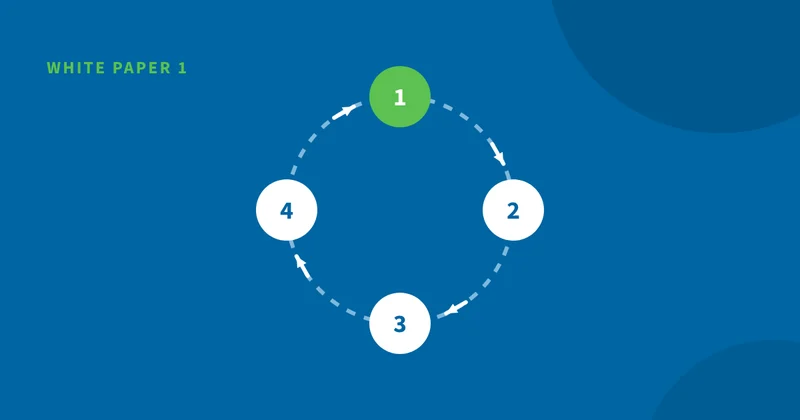
That memory is not an accident. It contains four ingredients that good learning design can deliberately build in.
Ingredient 1: A real decision
People learn most when they must choose between options that all have a cost. A quiz with a right answer tests recall. A decision with no clean answer builds judgment.
Design question: Where in your module or programme do learners have to commit to a choice they cannot take back?
Ingredient 2: Consequences that carry forward
A decision only teaches if its results show up, and keep showing up. When this year's pricing call shapes next year's cash position, learners start to think in systems rather than steps.
Design question: Do learners see what happens after they decide, or does each exercise reset to zero?
Ingredient 3: Other people
Most business decisions are made in teams, against competitors. Working with others forces learners to explain their reasoning, negotiate trade-offs and handle disagreement. Competing against others makes the stakes feel real.
Design question: Are learners deciding together, and is someone else deciding against them?
Ingredient 4: Structured reflection
Experience alone does not guarantee learning; people can repeat the same mistake for years. A guided debrief turns what happened into a principle the learner can use again. The best debriefs ask three questions: What happened? Why? What will you do differently?
Design question: Is there protected time, after every cycle, to make sense of the results?
Putting the ingredients together
| Ingredient | Lecture | Case study | Business simulation |
|---|---|---|---|
| A real decision | Rarely | Discussed, not made | Made every round |
| Consequences that carry forward | No | No | Yes, compounding |
| Other people | Sometimes | In discussion | Team versus team |
| Structured reflection | Sometimes | Yes | After every round |
No single method has to do everything. A strong module combines them: lectures for concepts, cases for discussion, and a simulation where learners put it all to work.
What this means for you
- For academics: Audit one module against the four ingredients. The gap is usually ingredient 2: few teaching methods let consequences accumulate.
- For L&D leaders: Check whether your leadership programme gives participants a decision with real trade-offs, or only frameworks to discuss.
Next step
See all four ingredients working together in a Capsim simulation. Book a 30-minute demo →